
What to Expect During Bat Pest Removal
Discovering bats inside a home or commercial property can be an unsettling experience. Whether they are found in an attic, roof space, or another enclosed area, their presence can create concerns about property conditions, cleanliness, and the safety of occupants. Addressing the situation requires a careful approach that focuses on removing the bats while preventing further access to the building.
Professional assistance can make the process more manageable by providing an organized approach to identifying bat activity, removing the animals, and addressing potential entry points. Understanding what happens during professional pest removal can also help property owners know what to expect throughout the project. According to HomeGuide, bat remediation generally takes between two days and one week, depending on factors such as the size of the home and the severity of the infestation, although additional structural repairs may extend the overall timeline. In this article, we'll explain the different stages of bat removal and what property owners can expect from the initial inspection through the final cleanup.
Initial Property Inspection
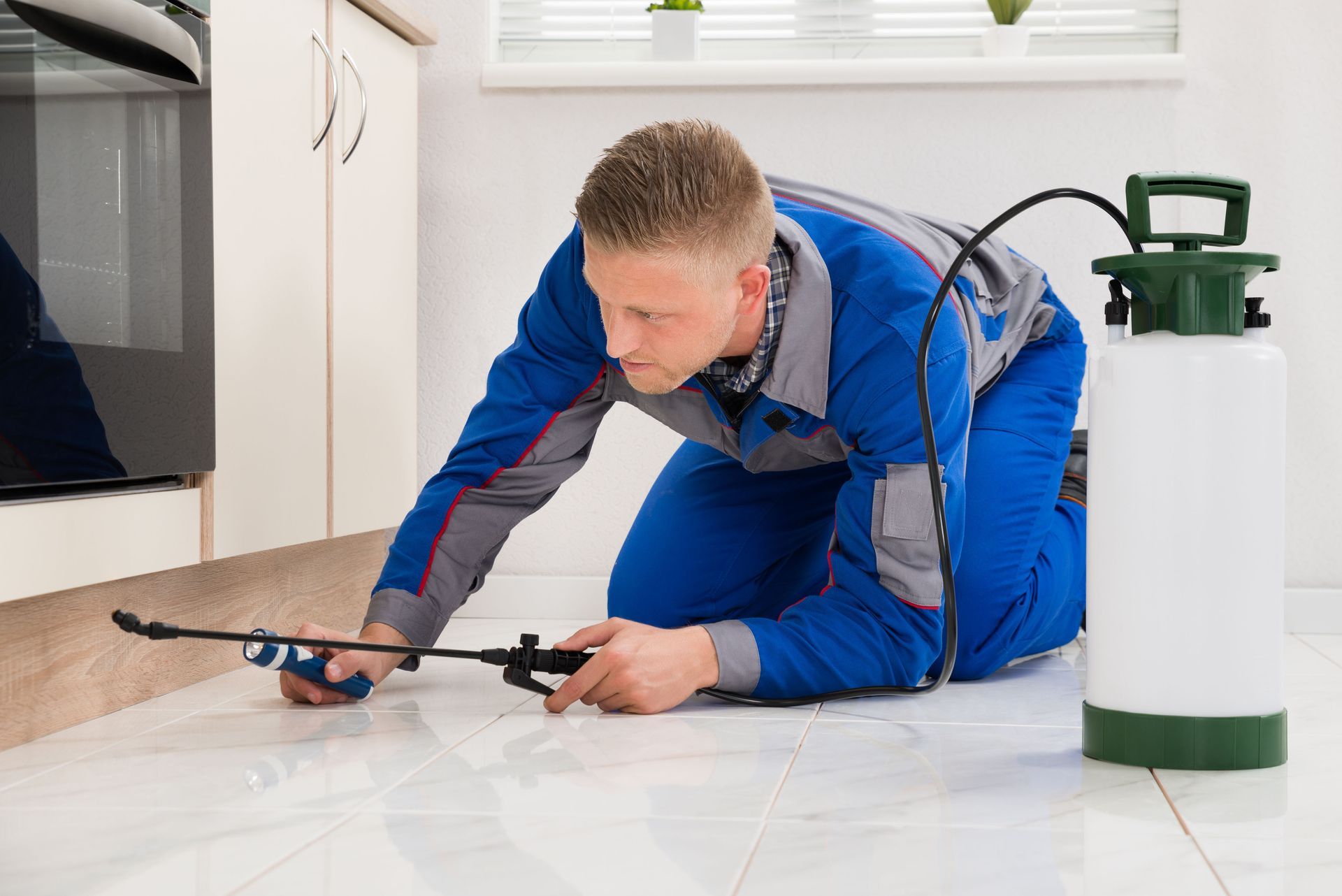
The first step in addressing a bat problem is typically a thorough property inspection. Before beginning any removal work, professionals need to understand where the bats are located and how they are accessing the building. This evaluation helps establish an appropriate plan for addressing the situation.
During the inspection, technicians may examine areas such as attics, rooflines, exterior walls, and other potential entry points. They look for signs of bat activity and identify locations that may require attention during the removal process. Understanding the extent of the problem helps determine which areas need to be included in the treatment plan.
Property owners may also be asked to share information about where they have noticed bat activity. Details about unusual sounds, sightings, or areas where bats appear to enter can help professionals understand the situation. This initial communication allows the service provider to develop a more informed approach to the project.
Identifying Bat Entry Points
After evaluating the property, professionals work to identify the openings bats may be using to enter and exit the building. These areas can include gaps around roof features, exterior openings, and other spaces that provide access to interior structures. Finding these locations is an important part of developing an effective removal strategy.
Technicians examine the exterior and interior areas of the property to determine where attention is needed. Identifying potential access points helps professionals understand how bats are moving throughout the structure. It also provides direction for planning the exclusion process.
Property owners should understand that locating entry points is about more than identifying where bats were first noticed. Professionals need to consider the different openings that may allow continued access to the building. This evaluation helps reduce the possibility of overlooking areas that could contribute to recurring activity.
Developing a Removal Plan
Once the inspection is complete, the pest control professional can determine the appropriate approach for removing the bats. The plan should account for the property's layout, the number of affected areas, and the extent of the bat activity. This allows the removal process to be organized around the specific conditions of the building.
Professionals may explain which areas will require attention and what steps will take place during the project. They can also discuss the expected timeline and whether additional work may be necessary after the bats have been removed. Having this information helps property owners understand the scope of the service before work begins.
A clear removal plan also gives property owners an opportunity to ask questions about the process. They can discuss access to affected areas, scheduling, and any preparation that may be needed. Open communication helps make the project easier to coordinate from beginning to end.
Beginning the Bat Exclusion Process
Bat removal generally involves an exclusion approach designed to allow bats to leave the building without returning through the same openings. Rather than simply attempting to capture every bat, professionals focus on addressing how the animals access the structure. The specific methods used depend on the inspection findings and the property's conditions.
During this stage, technicians address identified entry points using appropriate exclusion materials and techniques. The goal is to guide bats out of the building while preventing them from reentering through the treated openings. This requires careful coordination to address the access points identified during the initial evaluation.
Property owners should follow the instructions provided by their service provider while this work is underway. Depending on the project, certain areas may need to remain accessible to technicians or temporarily undisturbed. Professional guidance helps ensure that the removal plan can proceed as intended.
Monitoring the Removal Progress
Bat exclusion is not necessarily completed in a single visit. Professionals may need to monitor the affected areas to determine whether bats are still present and whether the removal approach is working as expected. This follow-up helps technicians evaluate the progress of the project.
During monitoring, technicians may revisit previously identified entry points and inspect areas where bat activity was reported. They look for indications that additional attention may be necessary before the removal process can be considered complete. If concerns remain, the original plan may need adjustments.
The amount of time required depends on the conditions of the property and the extent of the infestation. According to HomeGuide, the remediation process typically takes two days to one week, although the timeline can be longer when structural repairs are needed after removal. Understanding this timeframe helps property owners plan around the work.
Cleaning and Addressing Affected Areas
Once the bats have been removed, attention may shift to cleaning the areas they occupied. Bat activity can leave behind droppings and other debris that require careful handling. Addressing these materials is an important part of restoring the affected spaces.
Professionals can evaluate the condition of attics, roof spaces, and other areas where bats were present. Depending on the condition of the property, cleaning may involve removing accumulated debris and treating affected surfaces. The specific work required depends on the extent of the activity and the condition of the space.
Property owners should avoid attempting to handle contaminated materials without appropriate guidance. Discussing cleanup options with the service provider helps clarify which tasks are included in the removal project and whether additional services are necessary. This ensures that the property receives attention beyond simply removing the animals.
Bat removal involves several steps that work together to address an infestation and help protect a property from recurring activity. From the initial inspection and identification of entry points to exclusion, monitoring, cleanup, and potential structural repairs, each stage contributes to the overall process. Understanding these steps helps property owners feel more prepared and know what to expect when professional assistance is needed.
The project timeline can vary depending on the size of the building, the severity of the infestation, and whether additional repairs are required. Working with experienced professionals provides a structured approach to removing bats and addressing the conditions that allowed them inside.
Taking care of these concerns can also make ongoing property maintenance easier and help property owners feel more confident about the condition of their buildings. Addressing both the infestation and potential entry points is an important part of achieving lasting results. A thorough approach helps ensure that removal is not treated as a temporary solution but as part of a broader property care effort. Contact Wilkinson Pest Control today to schedule an inspection and learn how professional pest removal can help restore your property.


Share On: