
How Pest Control Saves Billions From Rat Damage
Rat infestations present a severe global challenge, quietly draining critical resources from homeowners, businesses, and municipalities alike. Beyond being a simple nuisance, these destructive rodents inflict severe structural damage across multiple sectors, creating an urgent need for professional intervention. However, proper pest services exist to counteract the economic impact of infestations and demonstrate how effective pest control measures prevent financial damages globally. Here’s how these experts take on a problem that has been affecting the agriculture industry since its inception.
Evaluating Economic Damage
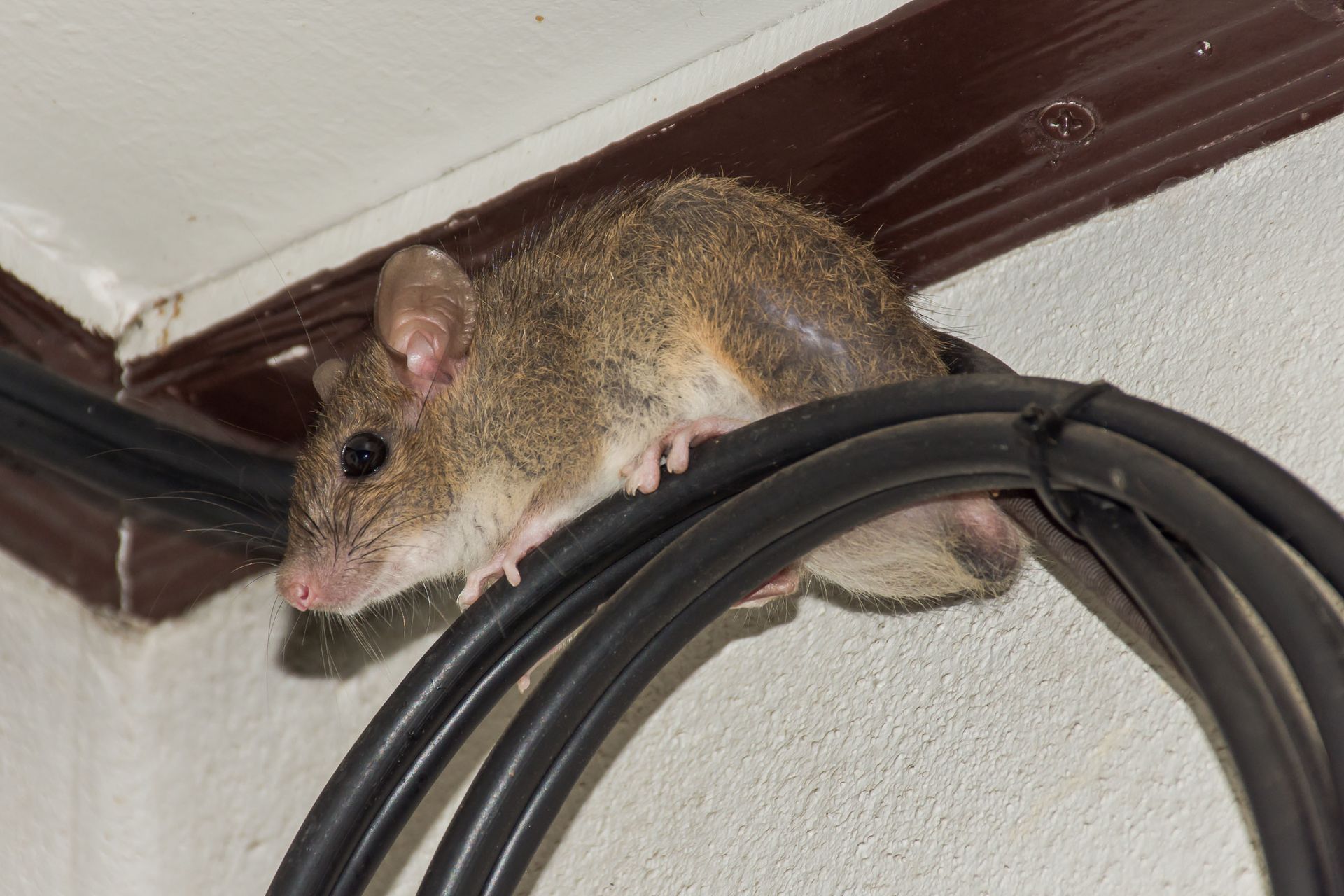
Property structural integrity faces continuous threats from rodent teeth because these animals must constantly gnaw on hard materials. They easily chew through structural wood, thick plastics, and soft metals, causing severe degradation to residential buildings and utilities. This destructive habit frequently targets complex electrical wiring systems, which creates dangerous short circuits and significantly elevates the risk of fires.
Urban centers experience profound disruptions when expanding rodent populations compromise public transit networks, underground communication lines, and municipal infrastructure. The resulting instability requires immediate remediation and drives up annual maintenance costs for local governments tasked with managing these services. These unexpected expenses accumulate rapidly, placing a heavy financial strain on city budgets that fund large-scale civic utilities.
Real estate values also decline sharply when specific commercial zones or neighborhoods earn a negative reputation for hosting active rodent issues. Potential buyers routinely avoid these compromised properties, leaving frustrated owners with prolonged vacancies, decreased rental income, and diminished investments. Investing early in professional pest control remains essential for preserving community equity and stabilizing local property markets.
Combating Agricultural Losses
The agricultural sector suffers immensely from these invasive animals, which actively destroy standing field crops and consume stored food reserves. Their voracious feeding habits wipe out large portions of annual harvests, directly threatening regional food security and disrupting supply chains. This immediate destruction causes widespread supply shortages in the marketplace, which frequently force retail prices upward for everyday consumers.
Widespread contamination represents another severe issue, as rodent waste products render massive quantities of harvested grains completely inedible and unfit for distribution. This tragic waste of vital food resources worsens global hunger challenges while simultaneously devouring the hard-earned profits of independent farmers. Utilizing consistent anti-pest protocols allows agricultural operators to shield their valuable yields from these persistent threats.
Small family farms often face complete financial ruin from intense infestations, while large commercial operations experience major profit contractions that limit growth. The resulting economic damage extends deep into rural communities, negatively affecting agricultural laborers, local crop distributors, and equipment suppliers. Implementing sustainable protection methods remains vital for stabilizing regional economies that depend heavily on consistent agricultural production.
Mitigating Public Health Risks
Public health systems bear a heavy financial burden due to the dangerous zoonotic diseases these rodents naturally carry and transmit. Severe medical conditions like leptospirosis, hantavirus, and rat-bite fever easily spread to human populations, requiring expensive medical interventions and intensive treatments. The high cost of managing these sudden health crises strains local medical facilities and drains community resources.
Widespread illness leads to extensive workplace absenteeism, which lowers overall corporate productivity and harms regional economic output across various business sectors. Unsanitary urban conditions accelerate disease transmission, forcing municipal leaders to allocate substantial funding for extensive public health awareness campaigns. These essential educational initiatives require significant capital that could otherwise support alternative community development programs or infrastructure improvements.
National data highlights the true financial magnitude of this ongoing crisis within our borders. For instance, according to Science Advances, rats cause $27 billion in damage each year in the U.S., highlighting the severe need for structural defenses. Implementing aggressive pest control strategies directly alleviates the severe socioeconomic pressures pressing against our public healthcare infrastructure and local economies.
Understanding Rodent Biology
Managing these expanding populations requires a thorough understanding of their rapid biological reproductive capabilities, which facilitate rapid colonization. A breeding pair can produce multiple litters annually, and the rapidly growing offspring reach sexual maturity within a very short period. This exponential growth rate allows minor rodent issues to spiral into overwhelming, destructive infestations if left unmonitored.
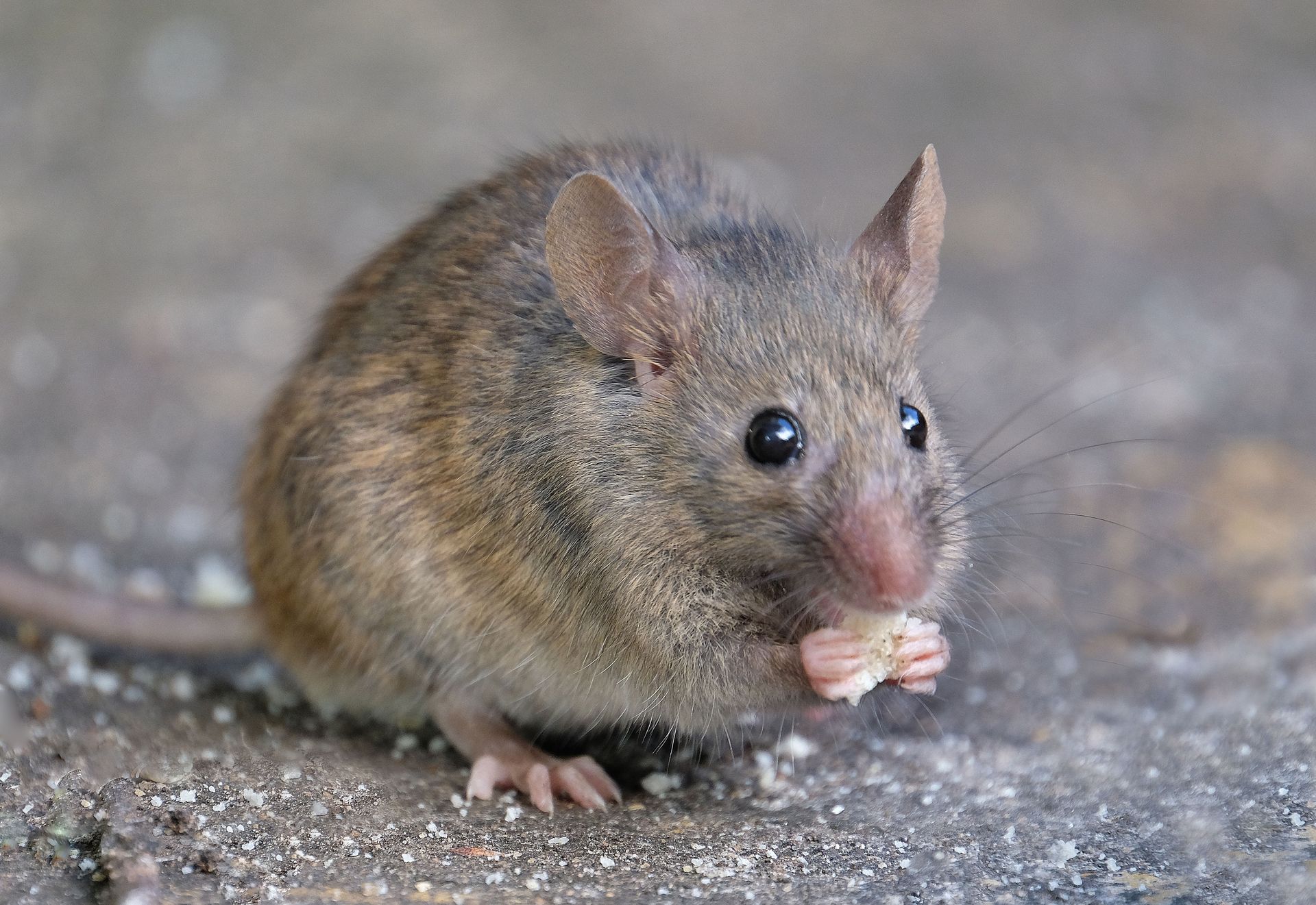
Their opportunistic feeding habits allow them to survive and thrive on almost any available organic material they encounter in their daily travels. From agricultural seeds and stored grains to discarded urban food waste, their varied diet ensures survival in hostile environments. This extreme dietary adaptability means simple sanitation efforts are rarely enough to deter them without targeted pest control assistance.
Complex nesting habits further complicate eradication efforts because these cautious creatures intentionally select highly inaccessible locations to raise their young safely. They build secure nests inside deep wall cavities, dark attics, and extensive outdoor burrows using shredded insulation, fabrics, or paper. Disrupting these hidden breeding sites remains essential for achieving lasting population reduction in any modern environment.
Tracking Urban Adaptations
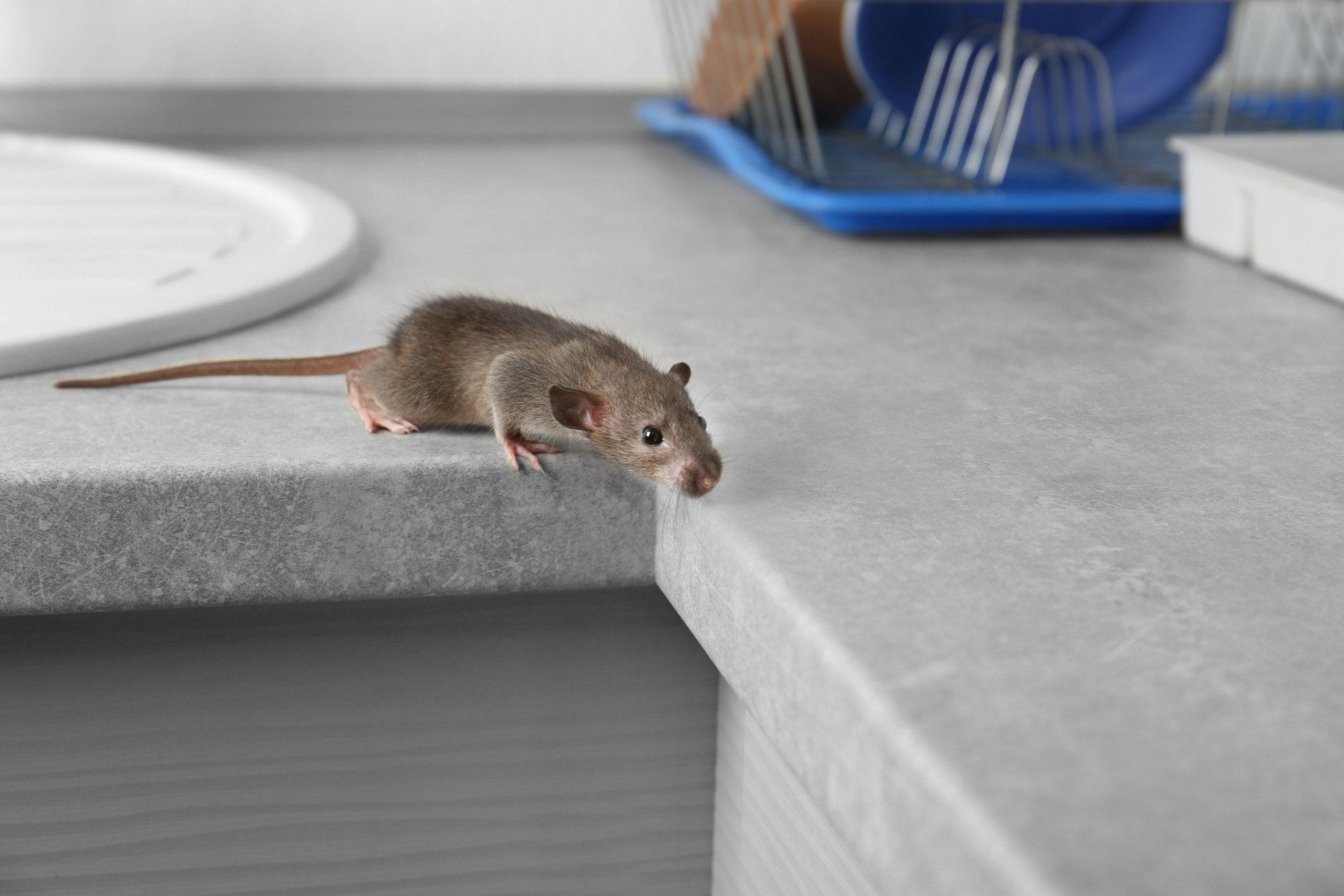
Dense cities offer ideal environments for these highly adaptable rodents due to concentrated human populations and abundant shelter opportunities. Underground subways, active sewer lines, and municipal waste networks provide perfect transit routes and secure hiding spots away from predators. This remarkable urban adaptability forces modern pest control specialists to design increasingly sophisticated management protocols to protect city infrastructure.
Poorly managed trash systems act as reliable food hubs, encouraging rapid colony expansion across entire city blocks and commercial districts. When populations outgrow their initial nesting spaces, they travel along established pathways to colonize adjacent properties and cause further disruptions. This continuous movement demands active cooperation between commercial business owners, residents, and municipal government agencies to achieve control.
Rodents constantly modify their daily behavioral patterns to navigate changing architectural designs, modern construction materials, and evolving urban environments. As cities develop, these resilient pests find innovative ways to exploit small structural gaps and maintain their destructive presence undetected. Continuous behavioral tracking helps industry experts anticipate population shifts and deploy proactive defense mechanisms before minor infestations expand.
Deploying Management Tactics
Traditional trapping technology remains a foundational tool for suppressing localized rodent populations quickly and evaluating the severity of an active infestation. Simple snap traps, live capture devices, and specialized glue boards offer varied utility depending on the unique constraints of the environment. Experienced pest control operators rely on precise tactical placement and specialized baiting techniques to maximize capture efficiency.
Targeted chemical applications provide another powerful method for rapid population reduction, especially when commercial properties face severe, deep-seated infestations. Modern rodenticides are carefully formulated to be highly efficient while minimizing residual hazards to non-target wildlife species in the surrounding area. Utilizing these chemical controls requires expert oversight to safeguard domestic animals, protect human health, and maintain strict environmental safety standards.
Relying solely on a single eradication method rarely delivers permanent results due to the sheer biological resilience of these invasive pests. True success involves combining structural exclusions, regular behavioral monitoring, and targeted treatments into a singular, cohesive property management strategy. This integrated approach ensures robust, long-term protection for commercial enterprises, public facilities, and residential neighborhoods seeking relief from rodent pressure.
Mitigating the widespread destruction caused by rodent infestations requires a continuous, dedicated effort combining biological insights with proactive field strategies. Protecting global infrastructure, agricultural yields, and public health systems depends on moving away from reactive measures toward comprehensive, long-term environmental management. Comprehensive pest control solutions provide the only reliable defense against these economic threats, so let us protect your valuable property together by contacting us at Wilkinson Pest Control today.




Share On: